Beyond the screen with Christian Wehrlin
The screenwriter on developing believable characters
17.03.2026
The screenwriter on developing believable characters in his latest works, BLIND and GOLD. With the latter, he received the Co-Pro Series Award at the Berlinale. The thriller is once again in the spotlight at the series market in Lille.
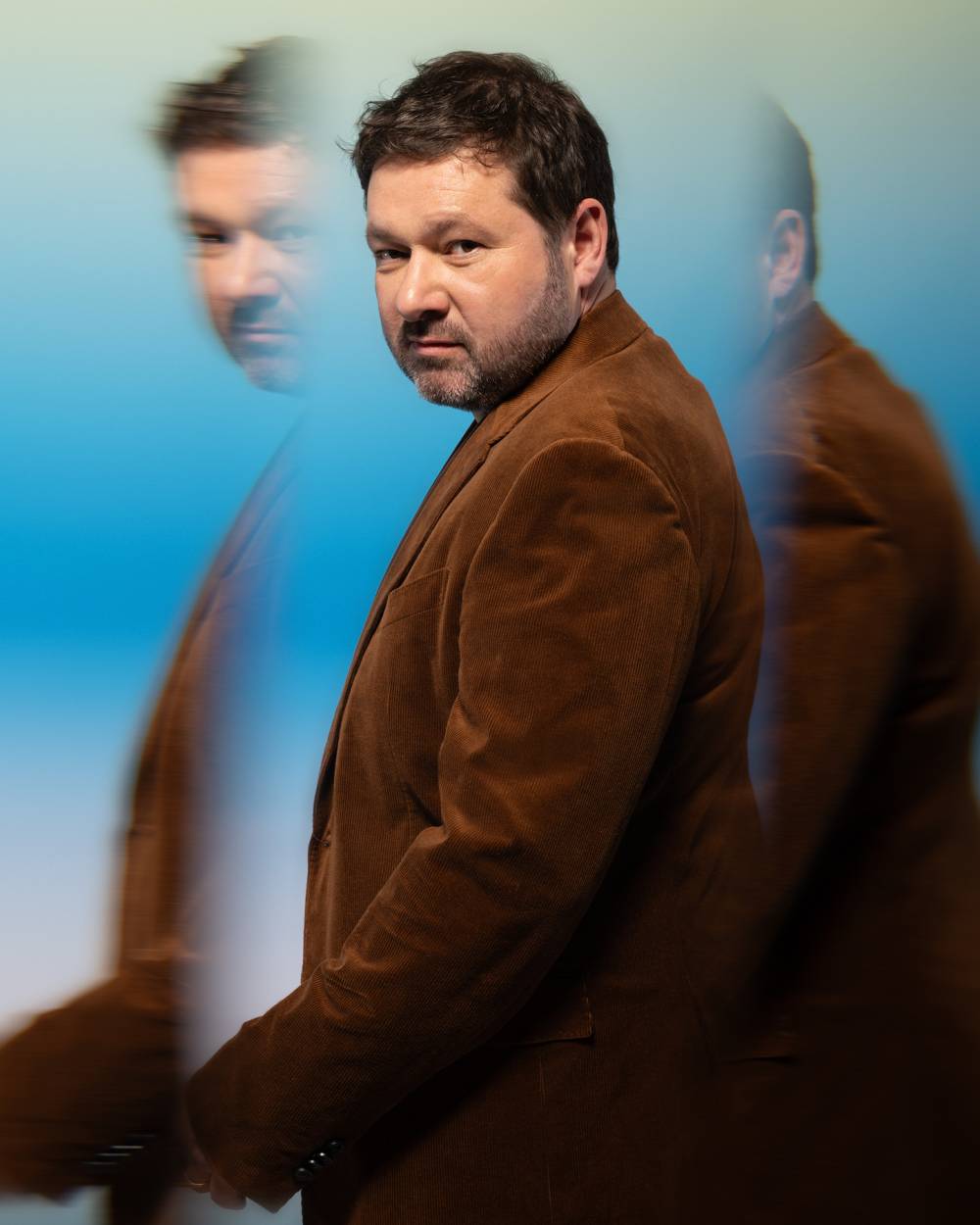
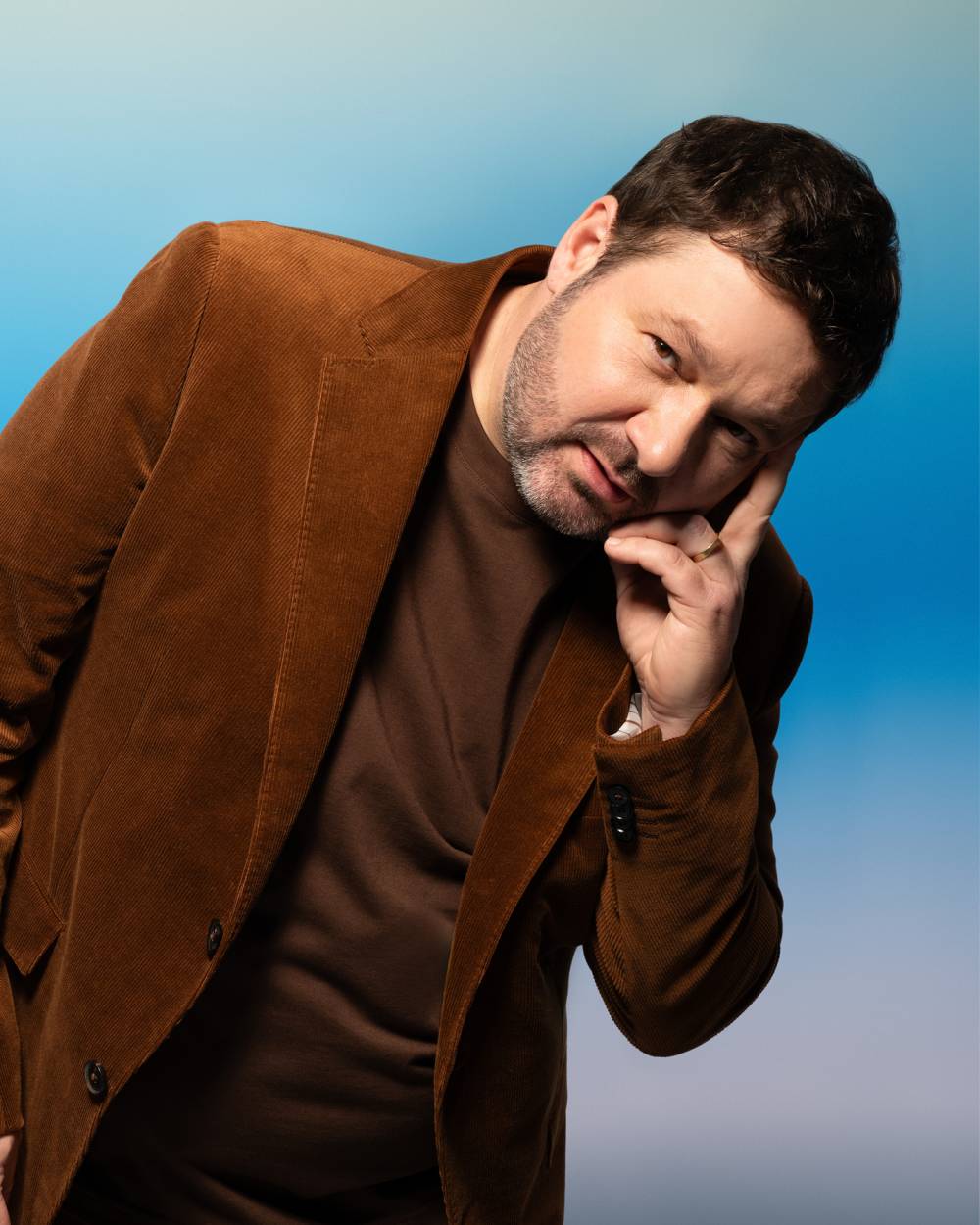
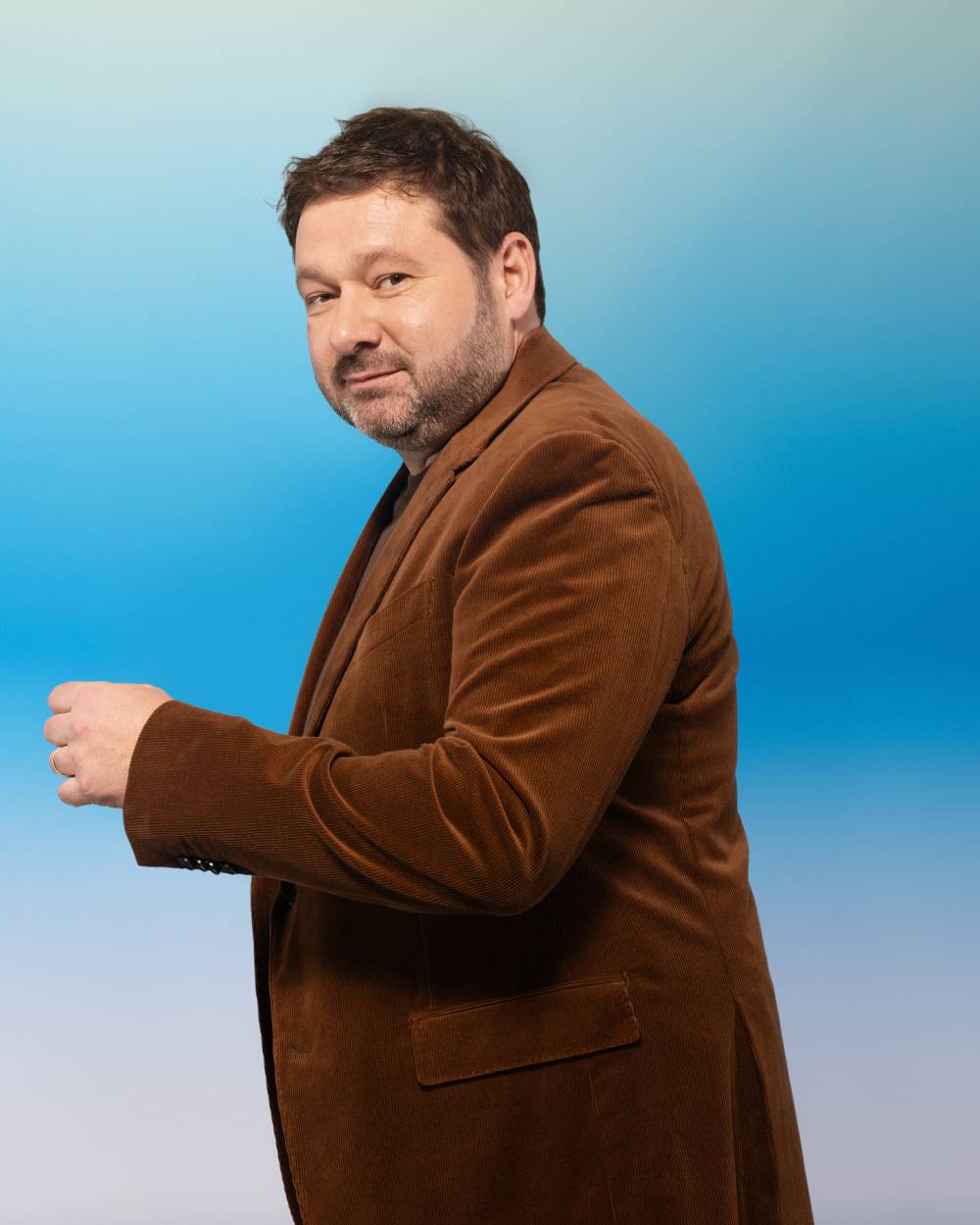
What are the main challenges when developing a project like this?
When a project is based on a true story, you always have to strike a balance between treating reality with respect but not letting it hold you back. The world in GOLD is extremely complex, ranging from the Swiss gold market to informal mines in West Africa and the grey markets in Dubai. The trick is to distil it in such a way that it remains emotional as well as exciting, without lapsing into explanations. Ultimately, the viewer should want to stick with the characters and not let them go.
Another challenge is the thriller itself: The driving force must always come from the character so that you really stay with it over several episodes. Hannah is not a classic heroine; she gradually shifts her moral boundaries and constantly has to make decisions that tear her apart inside. This only works if you stay emotionally attached to her, if you want to follow her, even if it pains you. And if her dilemmas are universal, that ultimately carries the whole story.
In addition to GOLD, the BLIND series – produced by Zodiac Pictures – will be screened in the COMING NEXT FROM SWITZERLAND showcase in Lille. Where do you find inspiration for your ideas?
The original inspiration for BLIND came from Christine Brand, who wrote the novel, and from creator Plinio Bachmann and producer Jessica Hefti, who brought me on board for the project. What’s more, we didn’t just ‘implement’ it, but above all developed it a great deal and contributed our own ideas.
Basically, inspiration often comes to me when the situation involves a contradiction. I am an attentive observer and reader, and although I never turned my social anthropology studies into a profession, I definitively took the mindset with me. Sometimes a mere detail is enough: a sentence, an article, an image that triggers an idea and sets my thoughts in motion. I am particularly interested in where individuals butt up against society and how they act within their world. Once I have found this world, I invest a lot of time in research and often find the spark for my fictional characters and stories in reality.
How do you go about creating characters so that they remain credible and active throughout several episodes?
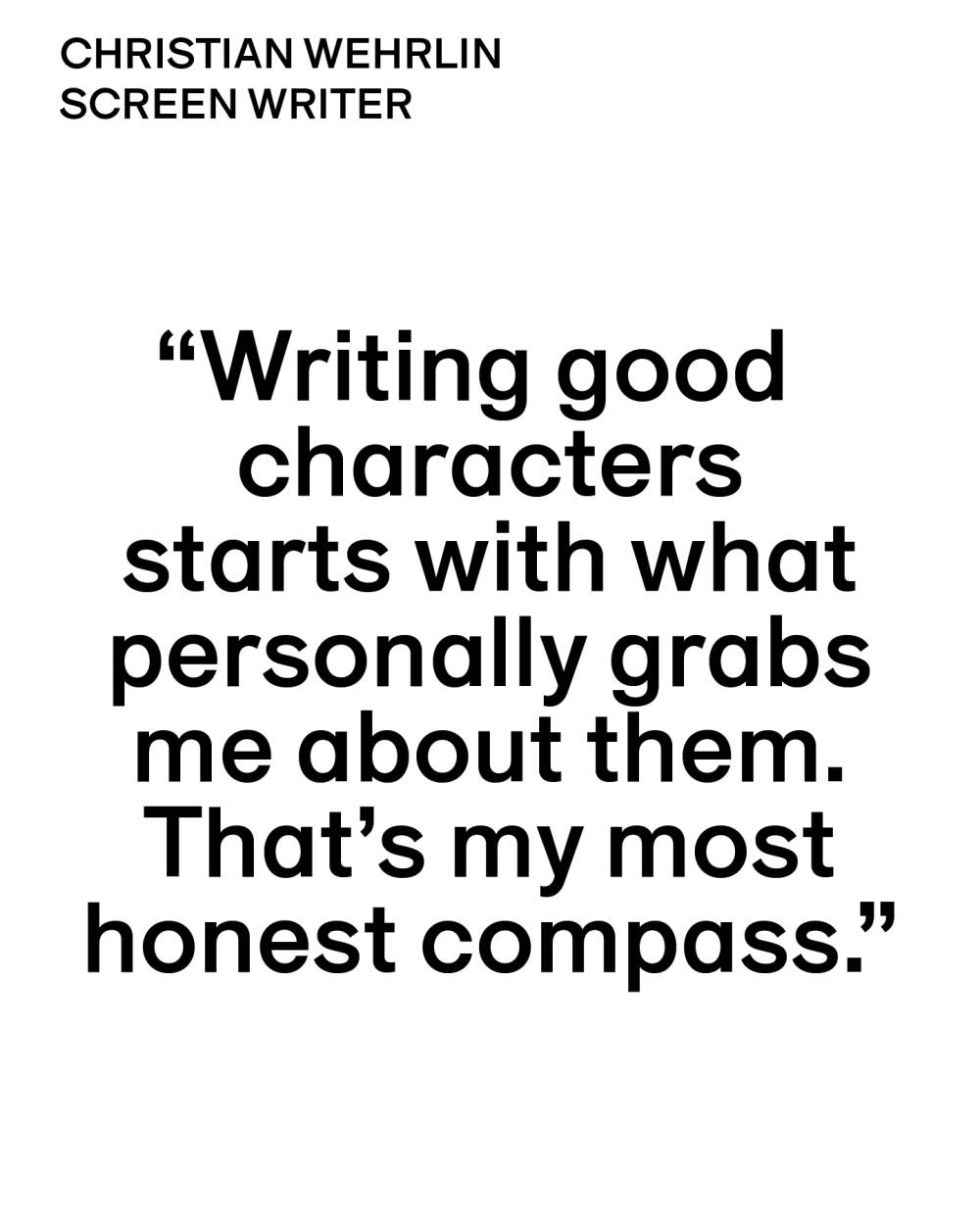
I tend to start less with a theory and more from a gut feeling: what interests me so much about this character that I am willing to spend several hours with them? Of course, that’s never a guarantee, but it’s the most honest compass I have. And then I have to assume that what captivates me about the world and the characters might also appeal to others.
Technically, I translate that into two things. First, every main character needs a driving force that doesn’t shut down: a need, a fear, something that propels them regardless of whether we’re in episode 2 or 5. Second, I build a chain of decisions rather than events. In each episode, they must want something, be willing to take a risk for it and make a choice that has consequences. This keeps them on the ball because the plot doesn’t roll over them but rather arises from them. And when relationships start to change in the process and every decision comes at a price, the characters remain credible and compelling for me even across several episodes.
To what extent do your personal or professional experiences influence your writing?
It’s not like I’m writing my own life,’ that’s not my thing. But of course, there’s always something very personal in every story and every character, simply because we constantly draw on our own experiences when we write. I rarely write alone, mostly in teams, in writers’ rooms, and it often doesn’t take long before you suddenly find yourself talking about yourself while developing characters. That helps to really understand situations and feelings. However, I’m very glad I don’t have to commit murder to be able to write about a murderer.
Apart from emotional experiences, what helps me in the writing process is that I am familiar with other roles in the industry, because I organised a lot of film shoots during my ten years as a unit manager and in production. I’m acutely aware of the consequences that decisions made during development will have later on. Writing an explosion is much easier than filming one. I try not to limit myself too much during the writing phase, but I want to be a forward-thinking partner for production and direction and contribute ideas: finding solutions that are strong in terms of content and at the same time realistic to implement.
Have you ever had to eliminate one of your favourite characters from a series, and if so, which one?
I don’t think so. Although it does occasionally happen that we have to remove minor characters, and sometimes that hurts a bit at the time. But most of the time it’s more a relief, because it makes another character even stronger and clearer.
When do you hand over the final script version to production? Are you still involved in the filming, or do the director and production team take over the lead?
That depends a lot on the project. There is hardly ever a truly ‘final’ script version. With BLIND, the creator and head writer Plinio Bachmann took over at some point, and I was no longer involved in the discussions with the director. It was different with UNSERE KLEINE BOTSCHAFT: my co-head writer Pascal Glatz and I worked on the scripts for a long time together with directors Johannes Bachmann and Johannes Schröder, and in fact made adjustments during filming if they so desired.
It’s important that the roles are clearly defined early on. There are different types of collaboration between producers, directors and writers. If someone is also a showrunner, that person usually remains closely involved in editing and post-production and also bears responsibility for those areas. But even as a creator, you are often very involved in the implementation. In the Swiss-Spanish-Galician coproduction O SUIZO, which we are currently developing, Pascal and I are involved in the selection of the cast and key crew roles and will be closely involved in the filming and post-production.
You have experienced almost all phases of audiovisual production. Was there a pivotal moment for you when you decided to focus on screenwriting?
Not really a particular moment; it was more of a phase. The dream of becoming a filmmaker began as a teenager on the Piazza Grande in Locarno. For a long time, however, storytelling meant directing to me. Writing actually came more as an afterthought; it was just part of it, perhaps because I could never imagine sitting alone in a writing room. For a long time, the writing profession just didn’t seem like an option for me.
The turning point came with Peter Reichenbach at C-Films gave me and my writing partner Pascal Glatz the chance to develop a series. That’s when I realised that writing doesn’t have to be a lonely pursuit but can be very collaborative. It was liberating. Since then, I’ve loved working where it all begins: with the idea, searching for the right form for the story, building characters and finding a dramaturgy that works.
What is the magic formula for a good series?
If I knew it, I wouldn’t reveal it here but keep it to myself and get rich with it. But the truth is, there is no magic formula. And that’s the beauty of it. Of course, there are things a series needs to make it work: a clear driving force, compelling characters and honest emotions that we can connect with.
But none of that guarantees success. My aim is to offer something beyond that, something that provides a new kind of insight. A tone, a world, a perspective that feels fresh. I – or rather we, as I hardly ever work alone – try to achieve this by really engaging seriously with the subject matter and the world we want to portray.
I think viewers can sense that. It is in the careful depiction of characters and conflicts that one is most likely to discover something that makes watching an experience. For us writers, however, this also means that we have to reinvent ourselves with every project, find out what exactly makes this story special, and fully immerse ourselves in it.
How appealing are coproductions with European partners for you, working on a Spanish, English or Italian series?
Enormously appealing. Coproductions often involve complex financing structures, which complicates the processes even more. But working together also forces you to take new perspectives seriously. Not only does this broaden my own horizons, it also helps me in the creative process. Suddenly, you begin asking different questions about characters, conflicts and tone.
It’s important to me that I don’t just tell stories from my own bubble. When you work with other countries, you get to know other perspectives, and conversely, other voices encounter our material. I hope that such collaboration not only produces better series but also has an impact: greater understanding for others and, in the best case, for ourselves as well.
What other projects and/or series are you working on?
Because it’s almost impossible to predict when a project will come to a standstill or gain momentum, it’s important to also work on several projects at the same time. The most recent ones are three: the second season of BLIND, O SUIZO and GOLD.
After an intensive week in the writers’ room, we are now working on the scripts for BLIND 2. For the O SUIZO crime series, we were on location in Galizia in January and are now writing. And we will be pitching GOLD in March at the Series Mania, hoping to find the right partners to kick off the next phase of development.
Part of the creator’s job is also to present and sell projects, which sometimes takes almost more time than writing. So it’s all the more satisfying when you get the green light and can concentrate fully on the story.
And finally, are you ever tempted to direct again and have the final say?
No, not at the moment. I really enjoy being a writer, and I’m happy with my position in the production, directing and writing triad. I would rather concentrate on being the best writer I can be and doing my part to make our projects successful.
For me, it’s not so much about who has the final say. There are forms of collaboration in which writers have a crucial say. And film is always created as a team effort, and that’s the beauty of it.
This is especially true for the writing itself. One of the main reasons I love this profession is the collaboration in the writers’ room and joint development of the story. I work regularly and very closely with several writers and enjoy the fact that our series are not created by a single pen, but through this collaboration, regardless of whether I am involved as head writer or as staff writer.